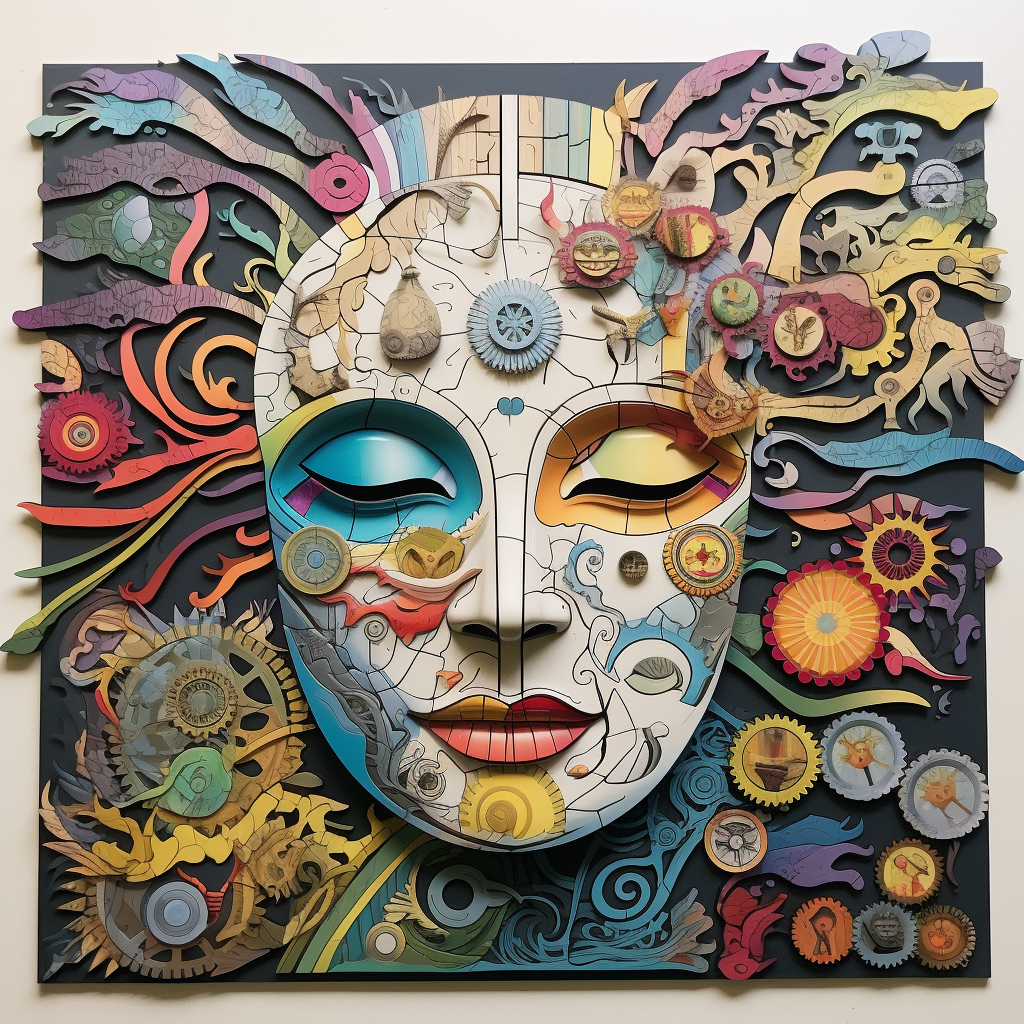
When you think about yourself, what comes to mind? Perhaps you consider your physical attributes, your abilities, or how you believe others perceive you. These perceptions—whether true or false—form the mosaic of your self-image.
Self-image isn’t just a vanity concept or a self-esteem booster; it’s a multifaceted mental model of who you believe you are, composed of myriad elements like physical appearance, talents, and personal shortcomings. Imagine a kaleidoscope; each piece of colored glass represents a different aspect of yourself—your self-esteem, your physical body, your intelligence, your social standing, and even your imaginary or aspirational self. When assembled together, these diverse elements form a dynamic, ever-changing picture that is your self-image.
This intricate construct serves as your internal blueprint, influencing your actions, reactions, and even future endeavors. For instance, if you perceive yourself as someone who is unattractive or unintelligent, you’re likely to exhibit behaviors that corroborate this perception—whether it’s true or not. The stakes are high because your self-image doesn’t just affect how you view yourself; it also profoundly impacts how you interact with the world.
Components of Self-Image
Your self-image isn’t formed in a vacuum; it has several influential components:
- Physical Self-Image: How you view your body and appearance. This can extend from the simple—like height and weight—to more complex elements like attractiveness and even how graceful or clumsy you believe yourself to be.
- Emotional Self-Image: Your perception of your own emotional state. Are you a ‘happy person,’ a ‘sad person,’ or perhaps somewhere in between? Emotional self-image colors your interpretations of daily life and affects your overall mood.
- Social Self-Image: How you believe you fit into the social fabric around you. This can relate to your self-perceived role within your family, among friends, and in larger social contexts like school, work, or community.
- Intellectual and Talents-Based Self-Image: How you perceive your mental capacity and special talents. Do you think you’re smart? Creative? Athletic? Your perception here can have a large impact on what you attempt and what you avoid.
Factors Influencing Self-Image
Your self-image is also shaped by a multitude of factors such as personal experiences, cultural background, and societal norms. The media, too, plays an outsized role, often dictating what is considered ‘attractive,’ ‘successful,’ or ‘ideal,’ which can distort individual perceptions.
Understanding these elements and their influence is the first step in dissecting your self-image, which in turn opens the gateway to improvement, growth, and ultimately, transformation.
Understanding Self-Image, Its Definitions, Importance, and Relation to Self-Esteem and Self-Concept
Advanced Definitions of Self-Image:
While earlier in this course, we’ve touched upon self-image as your mental portrait consisting of physical, emotional, and social components, let’s delve further into nuanced definitions that the field of psychology offers:
- Dynamic Self-Image: Self-image is not static; it’s a dynamic entity that changes over time, influenced by experiences, relationships, and life stages. For example, a person may see themselves differently before and after becoming a parent or undergoing a significant life change.
- Ideal vs Real Self-Image: Self-image often comprises both how you see yourself now (‘real self’) and how you wish to see yourself (‘ideal self’). The gap between these two can either be a source of motivation or a trigger for distress.
- Global vs. Situational Self-Image: Your self-image can differ based on the context or ‘situation’ you are in. You may see yourself as competent and confident in professional settings but awkward and insecure in social settings.
The Overarching Importance of Self-Image:
Understanding the intricacies of self-image isn’t merely academic; it has practical applications that can deeply influence various facets of your life.
- Self-Actualization: A nuanced understanding of your self-image can lead to greater self-actualization, a state where you are most ‘yourself’ and thus, most fulfilled.
- Resilience: The way you view yourself impacts how you handle life’s challenges. A more rounded and positive self-image equips you with greater emotional resilience.
- Interpersonal Dynamics: A balanced self-image fosters healthier relationships as it alleviates the projection of insecurities and misconceptions onto others.
- Holistic Wellness: Aligning your real and ideal self-image positively impacts not just your mental but also your physical well-being by encouraging better life choices.
Self-Image vs. Self-Esteem vs. Self-Concept
After diving deep into the complexities of self-image, it’s crucial to understand how it relates to and differs from other key psychological constructs like self-esteem and self-concept.
- Self-Image: As you’ve learned, self-image is the multi-dimensional mental model you have of yourself. It encompasses how you view your physical attributes, emotional states, social roles, and intellectual abilities. It’s your internal ‘mirror,’ reflecting both how you see yourself and how you think others see you.
- Self-Esteem: While people often use self-esteem interchangeably with self-image, they are distinct. Self-esteem refers to the evaluative and emotional component of your self-concept. It’s the value you place on your self-image. Do you like what you see in your mental ‘mirror’? That’s a question of self-esteem.
- Self-Concept: This is the broadest of the three terms and serves as an umbrella under which self-image and self-esteem both reside. Self-concept is your general understanding of who you are, and it includes both your self-image (how you see yourself) and your self-esteem (how you feel about how you see yourself).
Why Distinguishing Them Matters:
Understanding the distinctions between these terms is more than mere academic hair-splitting; it has practical applications:
- Holistic Self-Understanding: By separating these constructs, you can pinpoint specific areas in your life that may require attention. For instance, you may have a healthy self-image but low self-esteem, leading to conflicting emotions and behaviors.
- Targeted Interventions: Knowing which aspect of ‘the self’ needs work allows for more targeted self-improvement strategies. For example, if your self-concept is generally positive but your self-image in social situations is poor, social skills training may be more beneficial than an overall self-esteem workshop.
- Enhanced Emotional Intelligence: The nuanced understanding of these interrelated but distinct terms can lead to higher emotional intelligence, further enriching interpersonal relationships and career development.

Affirmation for Day 1: What is Self-Image?
“I am the architect of my self-image, and every day, I choose to build a structure of strength, love, and positivity.”