Minnie Barker

If the mind calls it, the heart speeds it up!

  • Mental Health
    • Autism
      • What is Autism?
      • Causes & Risk Factors
      • Early Signs and Diagnosis
      • Understanding Sensory Processing
      • Communication and Social Interaction
      • Behavioral Patterns and Interests
      • Co-occurring Conditions
      • Educational Approaches and Interventions
      • Support for Families and Caregivers
      • Adulthood and Autism
      • Autism and Society
      • Autism in Different Cultures
      • Advances in Autism Research
      • The Autism Community
      • Conclusion (ASD)
    • Bipolar Disorder
      • What is Bipolar Disorder?
      • Symptoms & Diagnosis
      • Types of Bipolar Disorder
      • Causes & Risk Factors
      • Impact on Daily Life
      • Treatment Options
      • Living with Bipolar Disorder
      • Special Considerations
      • Misconceptions and Stigma
      • Research and Future Directions
      • Conclusion
      • References and Additional Resources
    • Borderline Personality Disorder
      • Introduction to BPD
      • Understand BPD
      • Symptoms of BPD
      • Causes & Risk Factors
      • Diagnosis of BPD
      • Impact of BPD on Daily Life
      • Living with BPD
      • Challenges in Treatment and Recovery
      • Treatment for BPD
      • Research & Development in BPD
      • BPD in Popular Culture
      • Supporting Someone with BPD
      • Legal & Ethical Considerations for Individuals with BPD
      • BPD in Different Populations
      • Future in BPD Research
      • Conclusion: BPD
      • References
      • Author’s Notes
  • Self-Care
    • Personal Growth
      • Embracing Daily Self-Care Rituals
      • Understanding Self-Care
      • Setting the Tone for the Day
      • Recharging Your Mind and Body
      • Unwinding and Preparing for a Restful Night
      • Restoration & Rejuvenation
      • Mindfulness & Daily Activities
      • Routines
      • Personal Growth
      • Well-Being
    • Affirmations for Building Self-Confidence
      • Achieving Success & Fulfillment
      • Rewiring Your Mind for Positivity
      • Morning Affirmations & Conquering the Day!
      • Overcoming Self-Doubt & Strengthening Confidence
      • Positive Self-Image
      • Career Confidence
      • Strengthening Relationships
      • Overcome Fear & Anxiety
      • Peace & Confidence
      • Building Self-Confidence
  • Ebook Courses
    • The Journey of Self-Love: Mastering the Essential Practices to Appreciate Yourself Unconditionally.
    • Unlock the Power of Your Mind with Our Transformative Ebook! 🌟
    • Stand Tall: A Step-by-Step Guide to Building Unshakable Confidence in Your Personal and Professional Life

Week 1: Day 1: What is Self-Image?

September 3, 2023 By MinnieBarker

When you think about yourself, what comes to mind? Perhaps you consider your physical attributes, your abilities, or how you believe others perceive you. These perceptions—whether true or false—form the mosaic of your self-image.

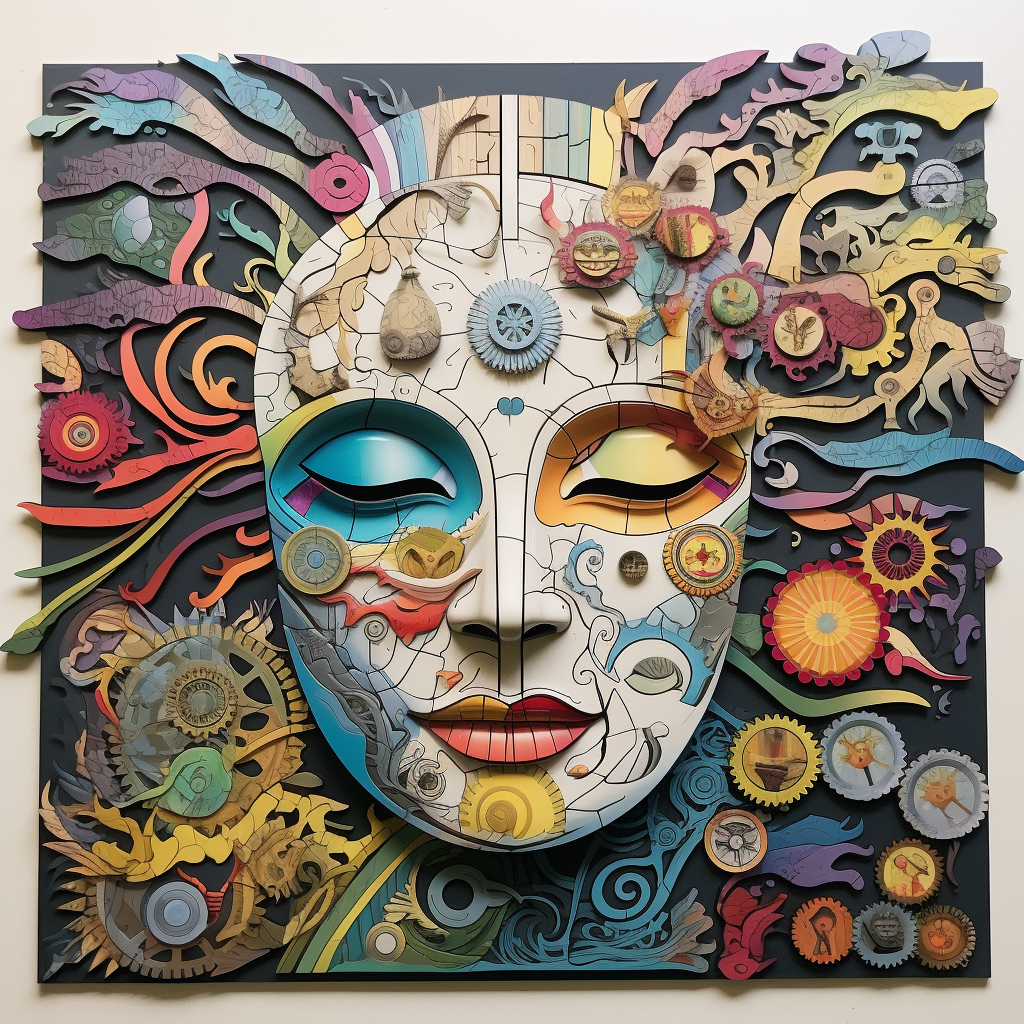
Self-image isn’t just a vanity concept or a self-esteem booster; it’s a multifaceted mental model of who you believe you are, composed of myriad elements like physical appearance, talents, and personal shortcomings. Imagine a kaleidoscope; each piece of colored glass represents a different aspect of yourself—your self-esteem, your physical body, your intelligence, your social standing, and even your imaginary or aspirational self. When assembled together, these diverse elements form a dynamic, ever-changing picture that is your self-image.

This intricate construct serves as your internal blueprint, influencing your actions, reactions, and even future endeavors. For instance, if you perceive yourself as someone who is unattractive or unintelligent, you’re likely to exhibit behaviors that corroborate this perception—whether it’s true or not. The stakes are high because your self-image doesn’t just affect how you view yourself; it also profoundly impacts how you interact with the world.


Components of Self-Image

Your self-image isn’t formed in a vacuum; it has several influential components:

  1. Physical Self-Image: How you view your body and appearance. This can extend from the simple—like height and weight—to more complex elements like attractiveness and even how graceful or clumsy you believe yourself to be.
  2. Emotional Self-Image: Your perception of your own emotional state. Are you a ‘happy person,’ a ‘sad person,’ or perhaps somewhere in between? Emotional self-image colors your interpretations of daily life and affects your overall mood.
  3. Social Self-Image: How you believe you fit into the social fabric around you. This can relate to your self-perceived role within your family, among friends, and in larger social contexts like school, work, or community.
  4. Intellectual and Talents-Based Self-Image: How you perceive your mental capacity and special talents. Do you think you’re smart? Creative? Athletic? Your perception here can have a large impact on what you attempt and what you avoid.

Factors Influencing Self-Image

Your self-image is also shaped by a multitude of factors such as personal experiences, cultural background, and societal norms. The media, too, plays an outsized role, often dictating what is considered ‘attractive,’ ‘successful,’ or ‘ideal,’ which can distort individual perceptions.

Understanding these elements and their influence is the first step in dissecting your self-image, which in turn opens the gateway to improvement, growth, and ultimately, transformation.


Understanding Self-Image, Its Definitions, Importance, and Relation to Self-Esteem and Self-Concept

Advanced Definitions of Self-Image:

While earlier in this course, we’ve touched upon self-image as your mental portrait consisting of physical, emotional, and social components, let’s delve further into nuanced definitions that the field of psychology offers:

  1. Dynamic Self-Image: Self-image is not static; it’s a dynamic entity that changes over time, influenced by experiences, relationships, and life stages. For example, a person may see themselves differently before and after becoming a parent or undergoing a significant life change.
  2. Ideal vs Real Self-Image: Self-image often comprises both how you see yourself now (‘real self’) and how you wish to see yourself (‘ideal self’). The gap between these two can either be a source of motivation or a trigger for distress.
  3. Global vs. Situational Self-Image: Your self-image can differ based on the context or ‘situation’ you are in. You may see yourself as competent and confident in professional settings but awkward and insecure in social settings.

The Overarching Importance of Self-Image:

Understanding the intricacies of self-image isn’t merely academic; it has practical applications that can deeply influence various facets of your life.

  1. Self-Actualization: A nuanced understanding of your self-image can lead to greater self-actualization, a state where you are most ‘yourself’ and thus, most fulfilled.
  2. Resilience: The way you view yourself impacts how you handle life’s challenges. A more rounded and positive self-image equips you with greater emotional resilience.
  3. Interpersonal Dynamics: A balanced self-image fosters healthier relationships as it alleviates the projection of insecurities and misconceptions onto others.
  4. Holistic Wellness: Aligning your real and ideal self-image positively impacts not just your mental but also your physical well-being by encouraging better life choices.

Self-Image vs. Self-Esteem vs. Self-Concept

After diving deep into the complexities of self-image, it’s crucial to understand how it relates to and differs from other key psychological constructs like self-esteem and self-concept.

  1. Self-Image: As you’ve learned, self-image is the multi-dimensional mental model you have of yourself. It encompasses how you view your physical attributes, emotional states, social roles, and intellectual abilities. It’s your internal ‘mirror,’ reflecting both how you see yourself and how you think others see you.
  2. Self-Esteem: While people often use self-esteem interchangeably with self-image, they are distinct. Self-esteem refers to the evaluative and emotional component of your self-concept. It’s the value you place on your self-image. Do you like what you see in your mental ‘mirror’? That’s a question of self-esteem.
  3. Self-Concept: This is the broadest of the three terms and serves as an umbrella under which self-image and self-esteem both reside. Self-concept is your general understanding of who you are, and it includes both your self-image (how you see yourself) and your self-esteem (how you feel about how you see yourself).

Why Distinguishing Them Matters:

Understanding the distinctions between these terms is more than mere academic hair-splitting; it has practical applications:

  1. Holistic Self-Understanding: By separating these constructs, you can pinpoint specific areas in your life that may require attention. For instance, you may have a healthy self-image but low self-esteem, leading to conflicting emotions and behaviors.
  2. Targeted Interventions: Knowing which aspect of ‘the self’ needs work allows for more targeted self-improvement strategies. For example, if your self-concept is generally positive but your self-image in social situations is poor, social skills training may be more beneficial than an overall self-esteem workshop.
  3. Enhanced Emotional Intelligence: The nuanced understanding of these interrelated but distinct terms can lead to higher emotional intelligence, further enriching interpersonal relationships and career development.



Affirmation for Day 1: What is Self-Image?

“I am the architect of my self-image, and every day, I choose to build a structure of strength, love, and positivity.”


>>>> Next Page

Filed Under: Day 1 - What is Self-Image, Week 1 - Self-Love

Week 6: Maintenance and Future Planning

September 3, 2023 By MinnieBarker

Objective:

As we reach the end of this course, the focus shifts to maintaining the progress you’ve made and planning for a future of continued positive self-image. You’ll learn strategies for ongoing growth and how to address challenges that may arise.


Lesson Breakdown:

  • Day 1: Recap and Reflection
    • Review of Key Concepts and Techniques
    • Self-Assessment: Measuring Your Progress
  • Day 2: Ongoing Practices for Positive Self-Image
    • The Role of Routine and Consistency
    • Refining Your Wellness Plan
  • Day 3: Addressing Setbacks and Challenges
    • Identifying Triggers and Coping Mechanisms
    • Developing a Crisis Management Plan
  • Day 4: Lifelong Learning and Adaptation
    • Resources for Continued Growth
    • The Role of Adaptability in Sustaining a Positive Self-Image
  • Day 5: Final Assessment and Future Planning
    • Reflect on Your Journey
    • Creating a Sustainable Plan for the Future

Assignments:

  1. Progress Review: Compare your initial journal entries and self-assessments to your current state. Celebrate your wins and acknowledge areas for growth.
  2. Crisis Management Plan: Draft a step-by-step guide for yourself for times when you feel your self-image slipping. Include coping mechanisms and resources.
  3. Future Plan: Set realistic goals and actions for the next 3, 6, and 12 months to continue enhancing your positive self-image.

Recommended Readings:

  • “Atomic Habits: An Easy & Proven Way to Build Good Habits & Break Bad Ones” by James Clear
  • “The Subtle Art of Not Giving a F*ck: A Counterintuitive Approach to Living a Good Life” by Mark Manson
  • Academic Article: “Self-Compassion, Stress, and Coping” by Kelly H. Werner et al.

Week 6 Summary:

Congratulations on completing this journey toward developing a positive self-image! Remember that self-improvement is a continuous process. Armed with the tools and strategies you’ve gained, you’re well-prepared to maintain your progress and tackle future challenges.

Thank you for participating in this transformative course. We wish you all the best in your ongoing journey of self-love and self-discovery!

Filed Under: Week 6 - Self-Love

Week 5: The Role of Body Image and Self-Esteem

September 3, 2023 By MinnieBarker

Objective:

In this week, we’ll explore the connection between body image and self-esteem and their collective impact on your overall self-image. You’ll gain insights into how to improve your relationship with your physical self as a crucial part of nurturing a positive self-image.


Lesson Breakdown:

  • Day 1: Understanding Body Image
    • What is Body Image?
    • The Media’s Influence on Body Image
  • Day 2: Body Image and Self-Esteem
    • The Correlation Between Body Image and Self-Esteem
    • How Negative Body Image Affects Your Overall Well-being
  • Day 3: Body Positivity and Self-Acceptance
    • The Movement Behind Body Positivity
    • Exercises for Practicing Self-Acceptance
  • Day 4: Mindfulness and Physical Well-being
    • Mindful Eating
    • Mindfulness Exercises for Body Appreciation
  • Day 5: Creating a Healthy Relationship with Your Body
    • Practical Steps for Body Acceptance
    • Crafting a Self-Care Routine for Physical Well-being

Assignments:

  1. Body Image Journal: Write down thoughts and feelings you have about your body. Identify any patterns or triggers for negative thoughts.
  2. Self-Acceptance Exercise: Spend 10 minutes in front of a mirror, focusing on aspects of your physical appearance that you appreciate. Write down these points.
  3. Craft a Physical Well-being Plan: Incorporate elements like diet, exercise, and relaxation techniques into a comprehensive plan for improving your body image.

Recommended Readings:

  • “The Body Is Not an Apology: The Power of Radical Self-Love” by Sonya Renee Taylor
  • “Intuitive Eating: A Revolutionary Program That Works” by Evelyn Tribole and Elyse Resch
  • Academic Article: “The Influence of Body Image and Self-Esteem on Women’s Sexual Behaviors” by Tracy Tylka

Week 5 Summary:

Understanding the role of body image and self-esteem provides a more complete picture of what contributes to your self-image. This week’s exercises and activities are designed to help you foster a more compassionate and accepting relationship with your physical self.

Next week, we’ll focus on how to maintain all the progress you’ve made, ensuring the long-term sustainability of your positive self-image. See you there!

Filed Under: Week 5 - Self-Love

Week 4: Social Influences and Developing Emotional Resilience

September 3, 2023 By MinnieBarker

Objective:

This week, we will explore the impact that external social influences can have on your self-image. We’ll also discuss building emotional resilience to protect and maintain your newfound positive self-perception.


Lesson Breakdown:

  • Day 1: Understanding Social Influence
    • The Role of Family, Friends, and Media
    • Social Comparison Theory
  • Day 2: Identifying Harmful Social Influences
    • Toxic Relationships and Environments
    • Setting Boundaries
  • Day 3: Developing Emotional Resilience
    • What is Resilience?
    • Strategies for Building Resilience
  • Day 4: The Role of Support Systems
    • Finding Your Tribe
    • The Importance of Mentors and Positive Role Models
  • Day 5: Putting It All Together: Maintaining a Positive Self-Image
    • Review of Techniques and Strategies
    • Creating a Long-term Resilience Plan

Assignments:

  1. Social Audit: Make a list of your current social influences and categorize them as positive, neutral, or negative for your self-image.
  2. Boundary-Setting Exercise: Identify a situation where you need to set a boundary to protect your self-image and write down how you’ll handle it.
  3. Resilience Journal: Reflect on a past experience where you displayed resilience. What did you learn from it, and how can it apply to maintaining a positive self-image?

Recommended Readings:

  • “Daring Greatly: How the Courage to Be Vulnerable Transforms the Way We Live, Love, Parent, and Lead” by BrenĂ© Brown
  • “Resilience: Hard-Won Wisdom for Living a Better Life” by Eric Greitens
  • Academic Article: “Social Comparison Theory: Psychology From the Lost and Found” by Abraham Tesser

Week 4 Summary:

By understanding the impact of social influences and building emotional resilience, you arm yourself with additional tools to maintain a positive self-image. The key takeaway is that while you can’t control external factors, you can control your reaction to them.

Next week, we’ll delve into the role of body image and self-esteem in the context of overall self-image. Looking forward to progressing further on this transformative journey!

Filed Under: Week 4 - Self-Love

Week 3: Techniques for Building a Positive Self-Image

September 3, 2023 By MinnieBarker

Objective:

Having identified negative thought patterns in Week 2, this week focuses on introducing and practicing various techniques to actively build a more positive self-image.


Lesson Breakdown:

  • Day 1: Introduction to Positive Psychology Techniques
    • The Science Behind Positivity
    • The Benefit of Gratitude and Optimism
  • Day 2: Visualization Techniques
    • Guided Imagery for Self-Image
    • The Power of Mental Rehearsal
  • Day 3: Affirmations and Mantras
    • Crafting Personal Affirmations
    • Mantras for Daily Living
  • Day 4: Mindfulness and Self-Compassion
    • The Mindfulness Approach to Self-Image
    • Exercises for Self-Compassion
  • Day 5: The Importance of Physical Well-Being
    • Exercise, Nutrition, and Self-Image
    • Creating a Simple Wellness Routine

Assignments:

  1. Gratitude Journal: List three things you’re grateful for each day, focusing on personal attributes or achievements.
  2. Visualization Exercise: Spend 10-15 minutes visualizing a version of yourself that embodies the positive self-image you wish to attain.
  3. Craft Your Affirmations: Based on what you learned this week, create a set of new affirmations that focus on fostering a positive self-image.
  4. Wellness Plan: Develop a simple, realistic plan for physical activity and nutrition that supports your goal of enhancing your self-image.

Recommended Readings:

  • “The Happiness Advantage: How a Positive Brain Fuels Success in Work and Life” by Shawn Achor
  • “Radical Acceptance: Embracing Your Life with the Heart of a Buddha” by Tara Brach
  • Academic Article: “Positive Psychology Progress: Empirical Validation of Interventions” by Martin Seligman et al.

Week 3 Summary:

This week equips you with a variety of tools and techniques to enhance your self-image actively. The importance of both mental and physical well-being is emphasized as interconnected factors in how you perceive yourself.

In Week 4, we’ll explore how social influences can impact your self-image and discuss strategies to protect your newfound positive outlook. See you there!

Filed Under: Week 3 - Self-Love

  • « Previous Page
  • 1
  • …
  • 14
  • 15
  • 16
  • 17
  • 18
  • Next Page »
2021-2023 © MinnieBarker.com